


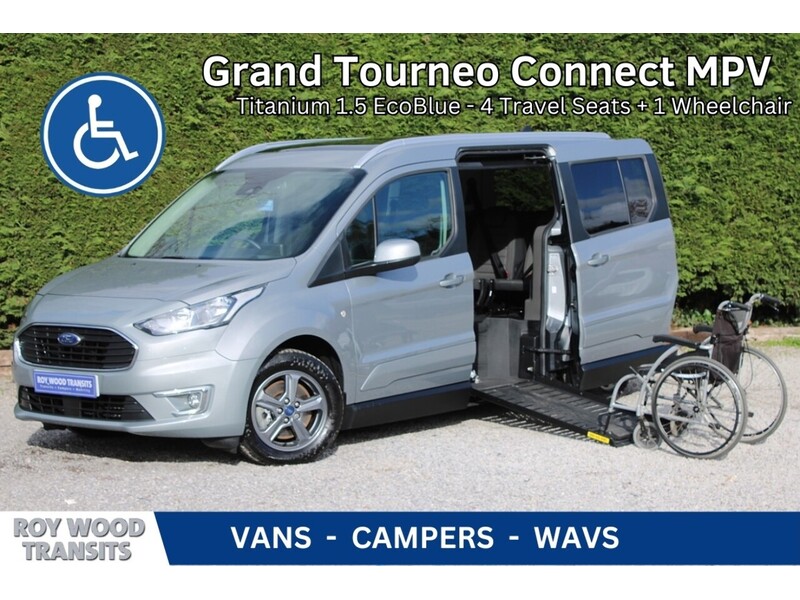
Buying a used WAV (wheelchair accessible vehicle) is about much more than choosing the right make, model or mileage. The vehicle should not only suit the wheelchair user, providing them with safe access, but any other passengers and the types of journeys you make.
So, what should you look for when buying a used WAV? That’s exactly what we explore in this blog.
At Roy Wood Transits, we specialise in wheelchair accessible vehicles alongside our Transit vans, campers and electric vehicles. We understand that every wheelchair user and family has different requirements, so we can help you compare suitable used WAV vehicles rather than simply choosing a vehicle based on price or appearance.
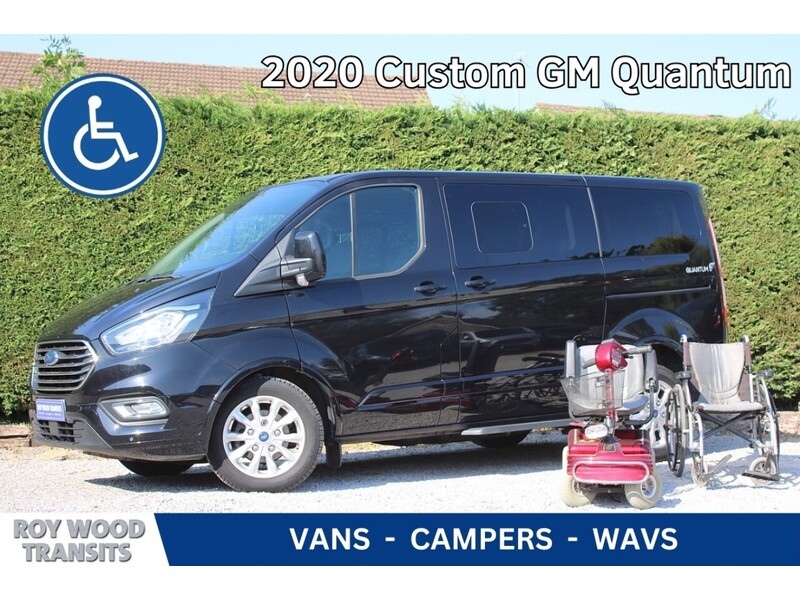
What is a used WAV vehicle?
A WAV, or Wheelchair Accessible Vehicle, is a car or van that has been professionally adapted so individuals with mobility issues can travel without transferring from their wheelchair to a conventional passenger seat.
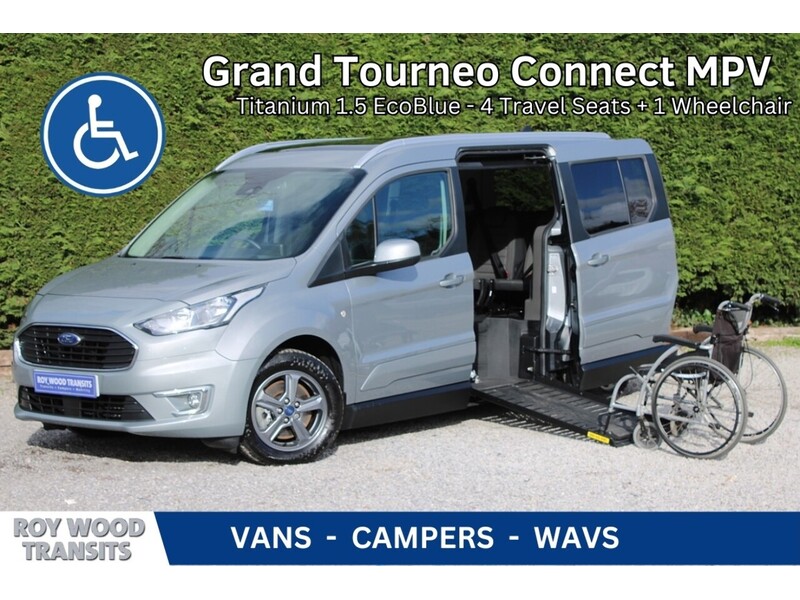
Used wheelchair accessible vehicles can include features such as a lowered floor, wheelchair ramp, electric winch and specialist wheelchair restraints. Depending on the conversion and size of the vehicle, there may also be several conventional passenger seats alongside the wheelchair position.
Buying used can provide access to a well-equipped adapted vehicle for considerably less than the cost of an equivalent new conversion.
What wheelchair access system does the vehicle have?
One of the first things to inspect is how the wheelchair user gets into the vehicle.
Many second-hand WAVs use rear access, with a ramp extending from the back of the vehicle. Check that the ramp is easy to deploy and provides a suitable angle for the wheelchair or mobility scooter being used.
Some vehicles are also fitted with an electric assist winch. A winch can make loading significantly easier, particularly with heavier wheelchairs or where a carer may otherwise struggle to push the chair safely up the ramp.
At Roy Wood Transits, our WAV stock can include professionally converted vehicles from established mobility specialists such as Allied Mobility. Features vary between vehicles, so we recommend looking at the unique features rather than assuming every WAV works in the same way.
Space, headroom and seating layout
A wheelchair fitting through the rear opening does not necessarily mean the vehicle is suitable.
You should consider:
- the width and length of the wheelchair
- the individual’s seated height
- internal headroom
- width of the ramp
- the position of the wheelchair
- number of additional passengers
- luggage or any additional equipment you regularly carry.
Some wheelchair accessible cars offer a compact layout ideal for everyday journeys, while larger WAVs can provide considerably more cabin space and seating flexibility.
Think about how the vehicle will actually be used. A family regularly travelling with several passengers, for example, may need a very different layout from someone who usually travels with just one companion.
How is the wheelchair secured?
A wheelchair needs to be properly restrained while travelling.
A professionally converted WAV will usually have a wheelchair restraint system designed to hold the chair securely in position, together with appropriate occupant restraints for the wheelchair user.
When viewing used WAV vehicles for sale, check the condition and operation of the restraint equipment. Make sure you understand how it works and that it is practical for whoever will usually assist the wheelchair passenger.
Safety equipment is not an area where usability should be overlooked. A system can only work effectively day to day if carers or family members are comfortable using it correctly.
Check the vehicle and the conversion
When buying a second-hand wheelchair accessible vehicle, there are effectively two things to assess: the underlying vehicle and the accessibility conversion.
Look at the vehicle’s mileage, service history, tyres, brakes and general mechanical condition just as you would with any used car or van. Then pay equal attention to the WAV equipment.
Operate the ramp several times. Test the winch where fitted. Look at the lowered floor and inspect the wheelchair restraints. Doors, folding seats and other moving components should also operate smoothly.
It is worth checking whether servicing and maintenance records are available, particularly on lower-mileage or ex-Motability vehicles.
Manual or automatic WAV?
Whether you choose an automatic or manual WAV will largely depend on the preferences of the driver.
Automatic wheelchair accessible vehicles can make frequent or urban driving easier, while manual models may offer a different choice of vehicles and price points.
Rather than treating one as automatically better, consider who will drive the vehicle, the distances normally travelled and where it will be used.
Fuel type matters too. Used WAVs can be available with petrol or diesel engines, and the right choice will depend on your mileage and typical journeys.
Should the wheelchair user try the WAV before you buy?
Yes, wherever possible they should try the vehicle before the final decision is made.
Specifications and measurements are useful, but physically trying a WAV is the best way to assess ramp access, headroom, visibility, comfort and the wheelchair’s travelling position.
At Roy Wood Transits in Berkshire, we can talk through your requirements and help you explore our latest used WAV vehicles. Our aim is to help you find a wheelchair accessible vehicle that works in real life, not simply one that looks right on paper.
If you are considering a used WAV, take a look at our current available vehicles or contact our team for more information.